
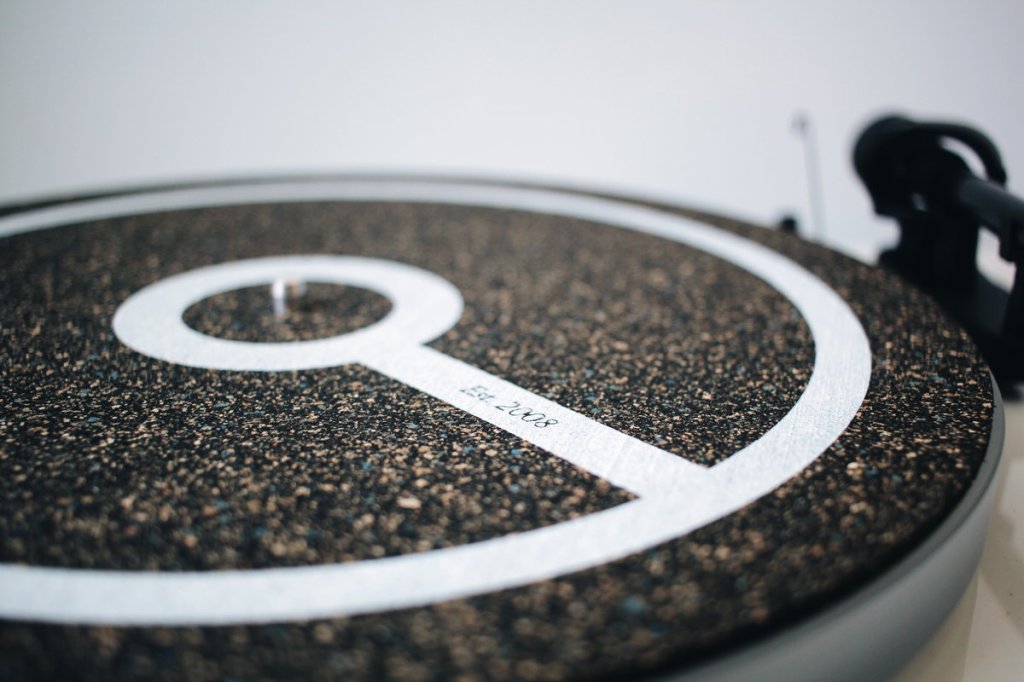
These days the “A Strangely Isolated Place” label is celebrating its fiftieth physical release. The anniversary offers me the opportunity to reflect on some of the events with label founder and operator Ryan Griffin, as well as give an outlook on what’s to come.
J: I find it exciting that ASIP developed organically, with the founding of the blog, and then grew into a label over a few years. Can you outline the path from the first beginnings to the present day? And how would you relate your original intention to today’s label work?
R: I’ve told the story of the blog/label evolution many times now, especially within our worlds so I will keep it short! It was a natural evolution – connecting with artists, people looking to promote their music, and my passion for collecting music and sharing it. On hindsight, it was only a matter of time until I would try and release music, but at the time I had no idea how I would do that.
My intention to share music is still the same today, despite it now being a ‘label’ too, nothing else has changed (other than the complications behind running a label and pressing vinyl). I don’t obsess over things commercially, or from a business perspective (to my fault in many ways) but instead, I still share music I love that I feel needs to be heard by more people. I get to work with amazing artists and share their music, but instead of doing my worst at describing it, I’m putting it out into the world in more official capacities. The same approach as the first blog post in 2008 I guess… only now it’s a financial risk!
J: Looking back at your activities, you can recognize the immense amount of work you put into the label, podcast, blog and later 9128.live. Artists like ASC, Rafael Anton Irisarri, Leandro Fresco, Markus Guentner, Arovane, bvdub and many more who have enriched the ASIP cosmos in many different ways. In the last two years, I’ve realized that ASIP has opened up more stylistically (at least in my opinion), even if not everything was the same in the period before that. Is my observation correct, or would you disagree?
R: Thank you. It’s nice to know people have been along for the ride with me over such a long time. I can’t thank those enough who have been folliowng the label all these years. And I owe a lot to many of the artists you mentioned who were open to working with me.
I never really set out with a sound or intended artists to work with. I greatly admire labels who do this, and do it so well as they tend to have strong followings. There have been times I wish I stuck to a specific concept or sound but ultimately, I would likely get a little bored over such a long time. My musical taste spans so many styles it would be hard to enforce something so specific over multiple years. That’s not to say labels who push a specific sound don’t have varied tastes in music – I think they probably just have more restraint when presented with opportunities.
People say ASIP has a sound and I think it does in many ways, but it’s tough for me to put my finger on it – maybe it’s more of a feeling than a style or genre – I’m not sure – and I’m not fussed about trying to pin it down, as I am pretty certain it will continue to change. So while I agree with your observation, looking back, I think we’ve been stylistically varied since day one, to a certain extent. In the past few years though, I think a few things have happened that may illustrate your observation, albeit not necessarily by design. First, I ‘ve seen listeners flooded with music in recent years. Especially within the “ambient” genre. It’s exploded when you see how many labels and artists are in the space today, and how many releases happen each week.
Artists can have multiple releases in a year, and very few labels can keep up with that, so you see a lot of artists finding different labels – both new labels and self-releasing – and the landscape is exponentially expanding with new outlets popping up and artists going it alone. This isn’t a negative thing – I am a music fan first and foremost, so I spend most of time hunting this stuff down. But as a label, it makes you think hard about who and where you put your resources and time now the option is there for artists to jump to other labels or go it alone.
There’s definitely a desire in me to share new music and support artists who don’t have the liberty to choose their labels or the platforms to share their music. I think it’s a slightly romanticized and perhaps selfish view of mine, but ultimately, If I’m honest with myself – and I have to be, as this whole thing is done by me in my spare time between a day job and my family – I get more satisfaction out of introducing new artists to an audience, versus presenting 1 out of 5 albums an artist will create that year.
Similarly, this desire to explore the new is also balanced with a desire to want to grow and continue to support artists over time as much as possible – and become a home for them. So it’s a bit of a catch 22. But, the reality is, if an artist has a high output, it’s hard for me to keep them happy and host every release to such a high standard. So, stylistically I think that’s resulted in me supporting new and different artists, as many other artists move on to other labels.
The second likely influence in direction is more simple. I think as the label’s exposure has grow, the more people I meet; the more I listen to new styles and emerging communities; the wider the spectrum of styles will be reflected on the label. Take for example Mikkel Rev and his release ‘The Art of Levitation’. I’ve been a trance fan since the 90’s, and I’ve always wanted to release trance music on ASIP but I never actively pursued it or asked for albums from artists. That was until I stumbled across Mikkel and his label under the Ute umbrella – this awesome community of artists in Norway putting out some nostalgic trance and holding raves in the forests. The sound hit home and I had to try and get him to do something on ASIP, so I reached out. I am sure this approach will be the same for me when I find something I love, irrespective of style. It’s freeing to not have to check my notes and go does this fit the label’s ‘sound’?… Instead it’s, ‘do I love it enough to release it’? If yes, off we go.
Lihla’s ‘Socha’, released earlier this year could also have been seen as a bit of a shift given its focus on vocals. This kind of shift will always make people wonder about our ‘direction’ and evolution. Maybe that’s a good thing? But if you listen closely, it’s deep and dark electronics, atmospheric, and transportive – just like many of our releases over the years. It represents a new approach we haven’t covered before.
J: If you compare the conditions in the music industry in 2012 with those that prevail today, what would you characterize as significantly different? What things have developed positively, where would you criticize?
R: I think the most significant difference I’ve seen in the past 10+ years doing it, is the attention span and access to your audience. There are so many choices, and access to music is as prevalent as ever, that albums have to work a lot harder to become “special” in the ears of a listener today.
Part of that thought is no doubt my age, and nostalgia for days when you spent weeks listening to one CD (which is a very boring old man gripe) but you could count electronic releases in a single column in a magazine back then. Now, it’s never-ending, in both good and bad ways. Standing out and becoming memorable is much harder.
Additionally, labels and artists have more followers today than in 2012 but what does it really mean amongst a mess of emails and notifications? It’s counterproductive. It has become diluted and a constant uphill battle to get your message out. It’s all too frequently complained about, and I’m not bringing any solutions to the table here, so continue fighting the feeds, we shall. (Please read our next Bandcamp update!)
I think it’s amazing that so many artists and labels can share music easily today, and have an opportunity to make money from it outside of relying on streaming. With this, comes a lot more experimenting and niche styles. There’s no way in 2012 you could make money from music unless you had a label making a physical product, merch, shows etc. Bandcamp have really helped show a way forward for the industry that I hope continues. I love that I can go deep into never-before-heard music styles easily, and then support these people easily. I see it like buying someone a coffee – $5/10 for something you committed countless hours into is nothing compared to the pleasure it gives me for many years to come.
With this in mind, I think (and hope) curators – labels as one example – will become increasingly more important in highlighting music. I love that Spotify removed label listings on releases (what a middle finger!). Because, hopefully it will create even more divergence between ways people listen to music. Some people need to be spoon-fed (go hit play on a pop playlist), some people have a desire to dig and discover. One is the 99%, the other is the 1% unfortunately. Bandcamp. Substack. Blogs (again). Mags. Zines. Small community platforms. Things like Substack are a good example – we are seeing amazing writers, ex journalists, label collectives and regular music lovers share music like the good old days of blogging.
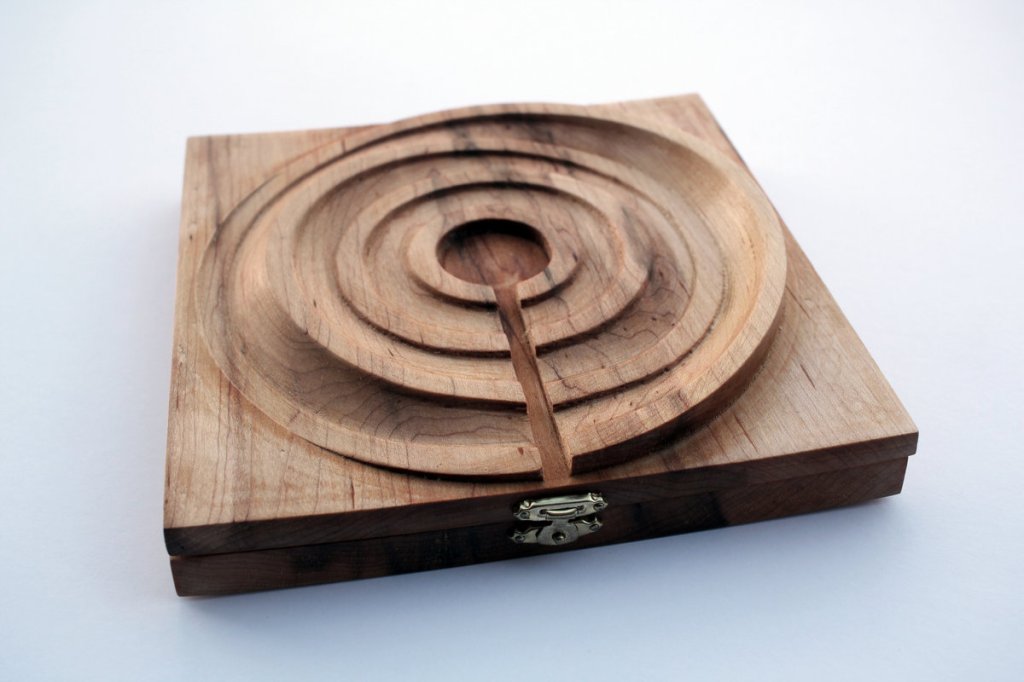
J: If one takes a look at the ‘merch tab’ in your Bandcamp shop, one notices that your sound carriers are not only consistently delivered in a very special design, whose recognition value is enormously high, but one also discovers some very special releases, such as a handmade CD case made of wood… Can you tell us something about your relationship to the physical sound carrier and how important you think the consistent design and the physical nature of the sound carriers are to you?
R: The physical aspect adds to the overall human experience of a release in my opinion. And the overall experience of a release is becoming even more important when every day, music is being reduced to flippant terms such as content and playlists. That makes it sound like I solely produce physical objects in reaction to the streaming machine, but it’s simply how I prefer to enjoy music.
If I’m being honest and perhaps slightly superficial, I also don’t want the labels’ legacy to be lost on the internet when I look back in years and no longer have the energy for it all. It’s a materialistic point of view, and I would never try to devalue digital-only releases (we do them too and they are great for many reasons), but I’m the person with thousands of records on my shelves, looking forward to a day when my kids play them, share them with friends, steal them and keep them for years to come (or let’s be real, sell them…). I look through label sections today in my collection that are no longer, such as City Centre Offices. How would you explore that label today? You can stumble across it on Discogs, but there’s no streaming label profile. There’s no Bandcamp. It takes someone recommending it to you, or a very conscious effort to go dig in your shelves (or record stores) and find those records. That behavior is rewarding to me.

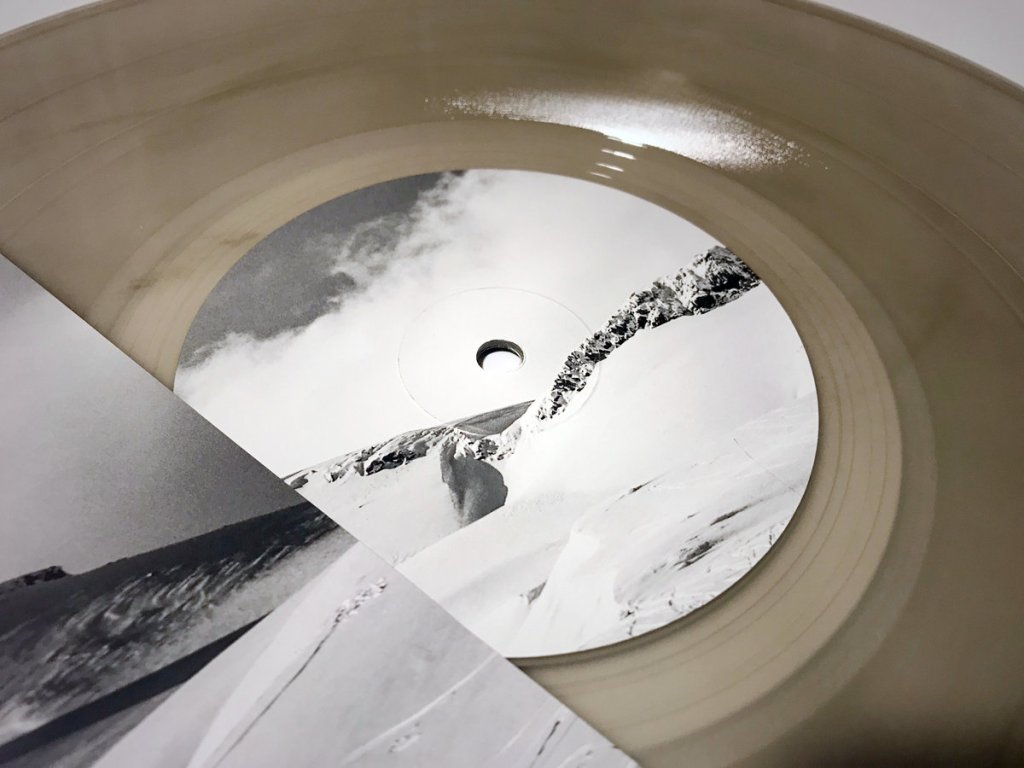


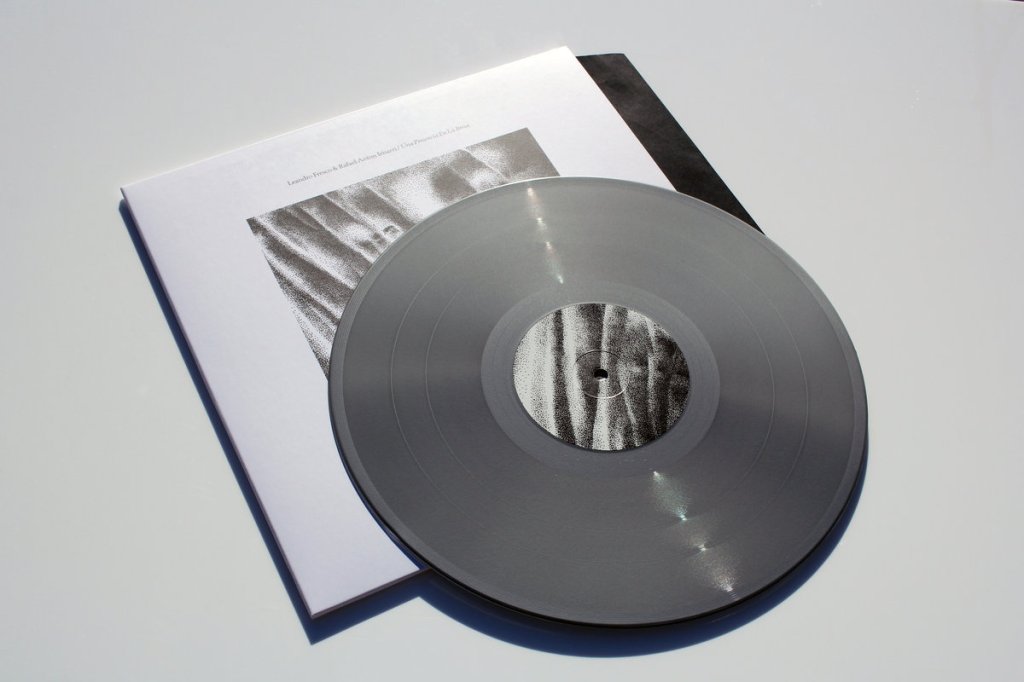

J: If you were asked which of the now 50 releases mean the most to you (without making the others seem less important), which releases would that be? For example, there are records that never lose their topicality, even though they are 20 or more years old, you can always listen to them. With other projects, your own life situation or something similar can emphasize a strong connection to the release, and much more….
R: We have over 100 releases now (I missed that milestone like many other milestones!) when including our digital release series and due to my poor vinyl catalog nomenclature management with remix albums etc, but yes we are indeed approaching a milestone with the ASIPV050 catalog number.
Each release is special and full of personal memories, so this is an impossible question. For many, I remember exactly when I first heard the demo or first album listen. But looking back, without any bias, a few that stand out for specific reasons…
Maybe obvious to some, but ASIPV003 with Arovane and Hior Chronik. This marked our very first steps into a ‘proper’ label I guess, with an artist release. (ASIPV001 + ASIPV002 were various artist compilations). I learned a lot from this, in terms of working with artists, royalties, artist expectations etc. Uwe was (and is) a personal inspiration so he was a big catch for me to build the label’s reputation. Now, both artists are continuing to create amazing music and we still talk all these years on, so it’s a ‘first child’ kind of feeling in many ways.
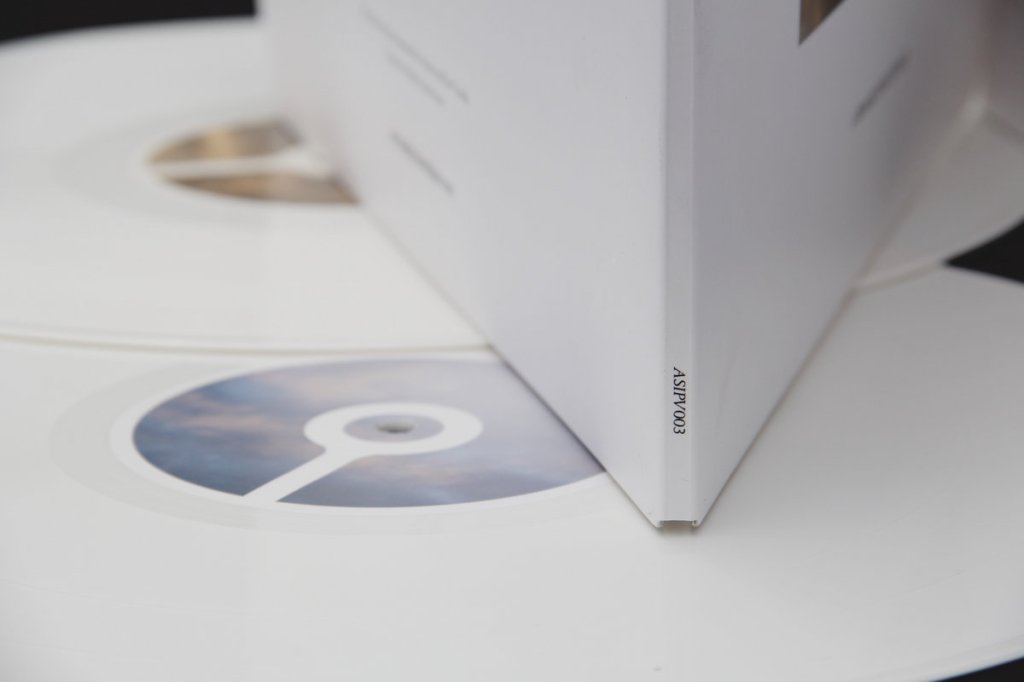
Similarly, ASIPV005 by Merrin Karras was important to the label, as until then, we had people like Uwe and Markus, who were quite well-known. Brendan (Merrin Karras) was less known under this specific alias and represented a risky approach for a vinyl release so early on. I also have special memories attached to this record because of the weirdest life coincidence; meeting Brendan in person on a bus in London when neither of us lived there at the time (him in Berlin and me in the USA) and we had never even seen each others faces in real life. I can’t remember exactly how it went but “Brendan, is that you?!” was a very weird and crazy moment.

ASIPV00X – Full Circle. This was such an ambitious project and would be to this day. I had to learn licensing contracts, publishing and much more, stumbling through years of email chains with artists, publishers, labels and create the biggest (3LP) release to date. I think people see compilations and don’t understand what goes into them to do it properly when it contains existing works. I like to think this was the first time we managed to capture a specific sound or moment for the label, and each track is still extremely timeless to me in many ways. I think Boomkat reviewed it as “marking 10 years of melancholy ambient/classical whimsy” which is pretty much spot-on and completely reductive/insulting at the same time!

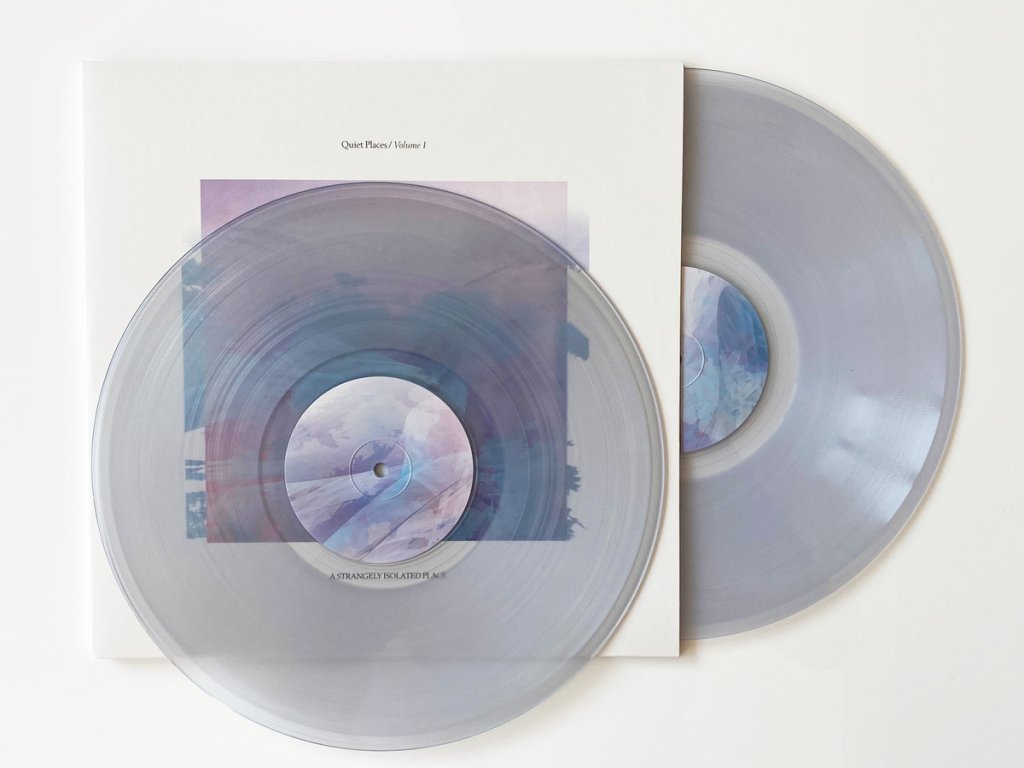
I want to also mention, Quiet Places’ project (Charlie, Dave and Dennis). Another serendipitous release that makes it a little special. Releasing something with Charlie May (of Spooky fame) is a dream come true and special given how much I admire his productions. I think the Quiet Places albums are some of our most underrated releases weirdly. I ask myself why, and I think it mimics some of my earlier points around attention span. They are long-form tracks, which need undiluted attention and many people’s patience is not there anymore. They are damn genius pieces of music, and in many ways represent a modern-day ‘Chill Out’, to me, at least. Give them the time (and the situation ;-). Anyway, the serendipity thing – turns out Dennis and Dave were very best friends with a neighbor of mine who lived underneath my apartment in England. I used to hear them partying all the time, playing decent music I might have been into, but never met them in person weirdly (or joined them!). I only found this all out when we were connected to release the project. Small worlds.
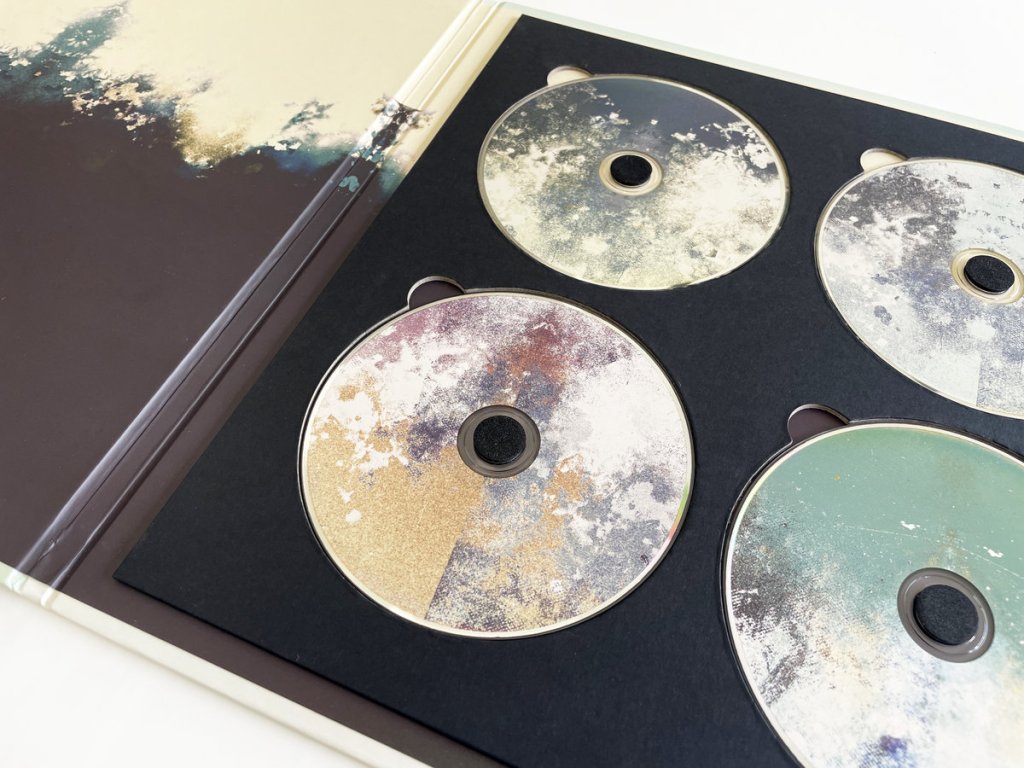
To round things off with a recent project, Earth House Hold’s 2023 ‘How Deep Is Your Devotion’ X4CD is undoubtedly a special moment, as it marks a culmination of the crazy relationship Brock and I have had over these years. Ever since I heard Brock’s works (and collected his many releases on CD before the label began) I wanted to release something by ‘bvdub’. So when he sent me the ‘Never Forget Us’ in 2018, I remember feeling like I was missing out on his best work as ‘bvdub’. But then I hit play and remembered just how good this alias was, how much I cherished the first EHH release (not on ASIP), and how perfect it was for the label given our similar musical histories and love for deep house music. I wouldn’t have had it any other way and I am proud to be a part of the Earth House Hold project as I know it means a lot to Brock.
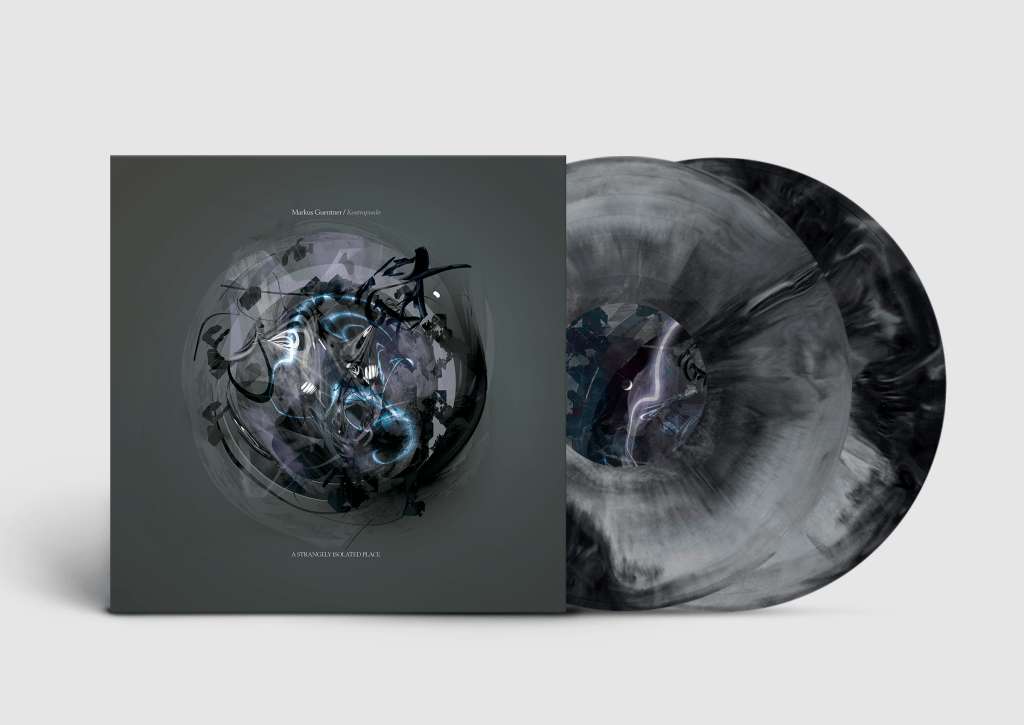
J: Can you make some comments on Markus Guentner’s current album, which is the anniversary album (catalogue number 50)?
R: Markus is an absolute legend to me and has been integral to ASIP over the years, so it’s a real honor to continue working with him to this day and see him work with so many other talented artists on this release. I had no say in who he decided to collaborate with – he had my full trust – but when it was delivered, I couldn’t believe the amazing output we got for the record and it still felt like it belonged on the label. Those are the kind of moments that make you feel like everything comes together for a reason and keeps you going.
I remember reading a comment from someone on Discogs on Markus’ profile after a few of his early albums (maybe the Moodgadget or even the early Affin one?) which was something like “Someone give this man a proper record deal!”… I’m not sure I’ve done that in the terms they mean’t, but together we’ve managed 4 outstanding 2LPs from Markus over the years, and I hope it will continue.
 Joachim Spieth